
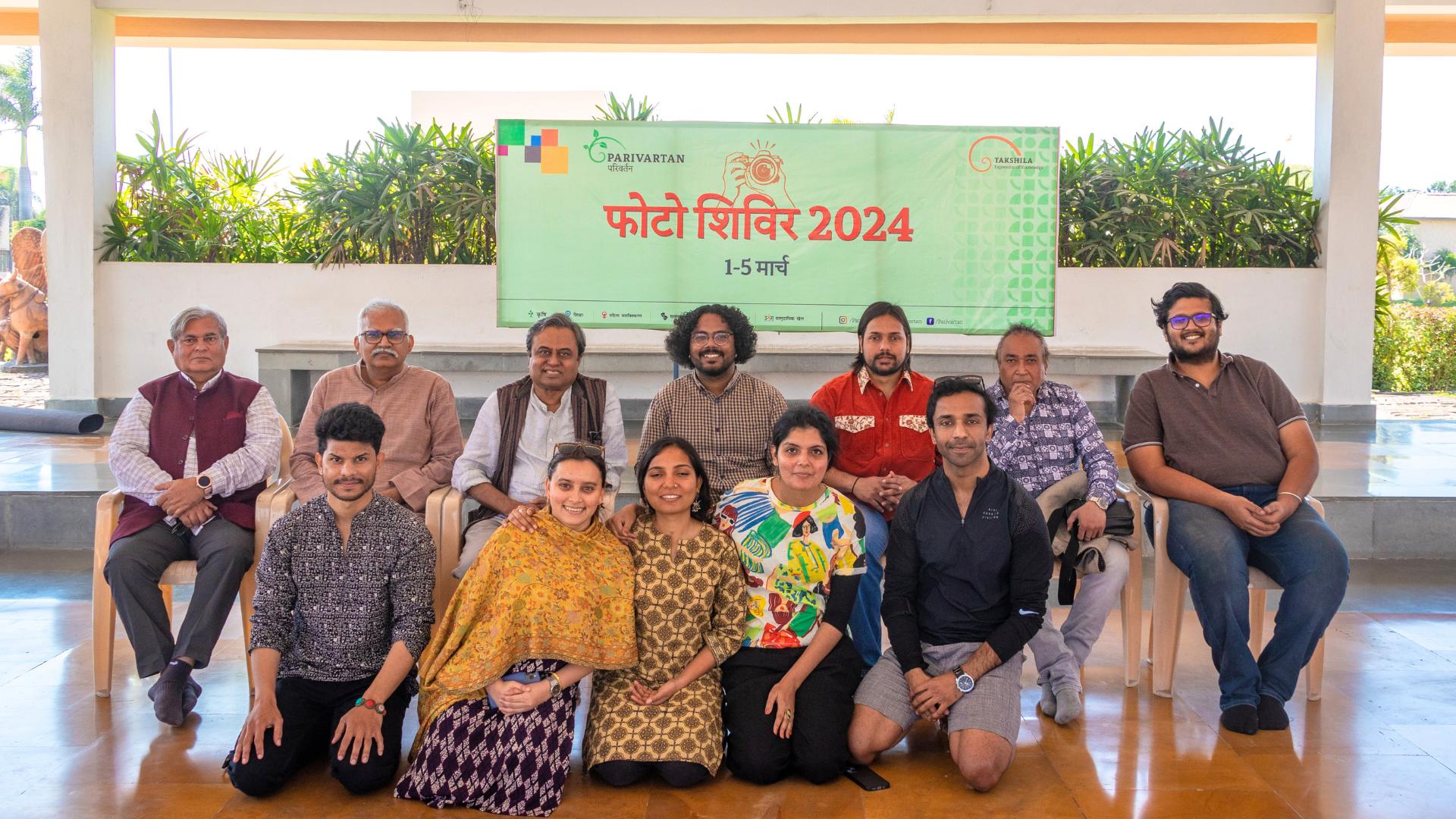
Some stories don’t announce themselves loudly. They unfold quietly through dust, sweat, waiting eyes, and borrowed homes. Photo Shivir 2025 gave me the space to listen to one such story. I was honoured to be selected as one of eight photographers from across India for the Photo Shivir residency programme, held in Narendrapur village, Siwan, Bihar between 1–5 March 2024. The residency programme was conducted by Takshila Educational Society and curated by a well known photographer Parthiv Shah.
Choosing the Subject: Migration as Memory
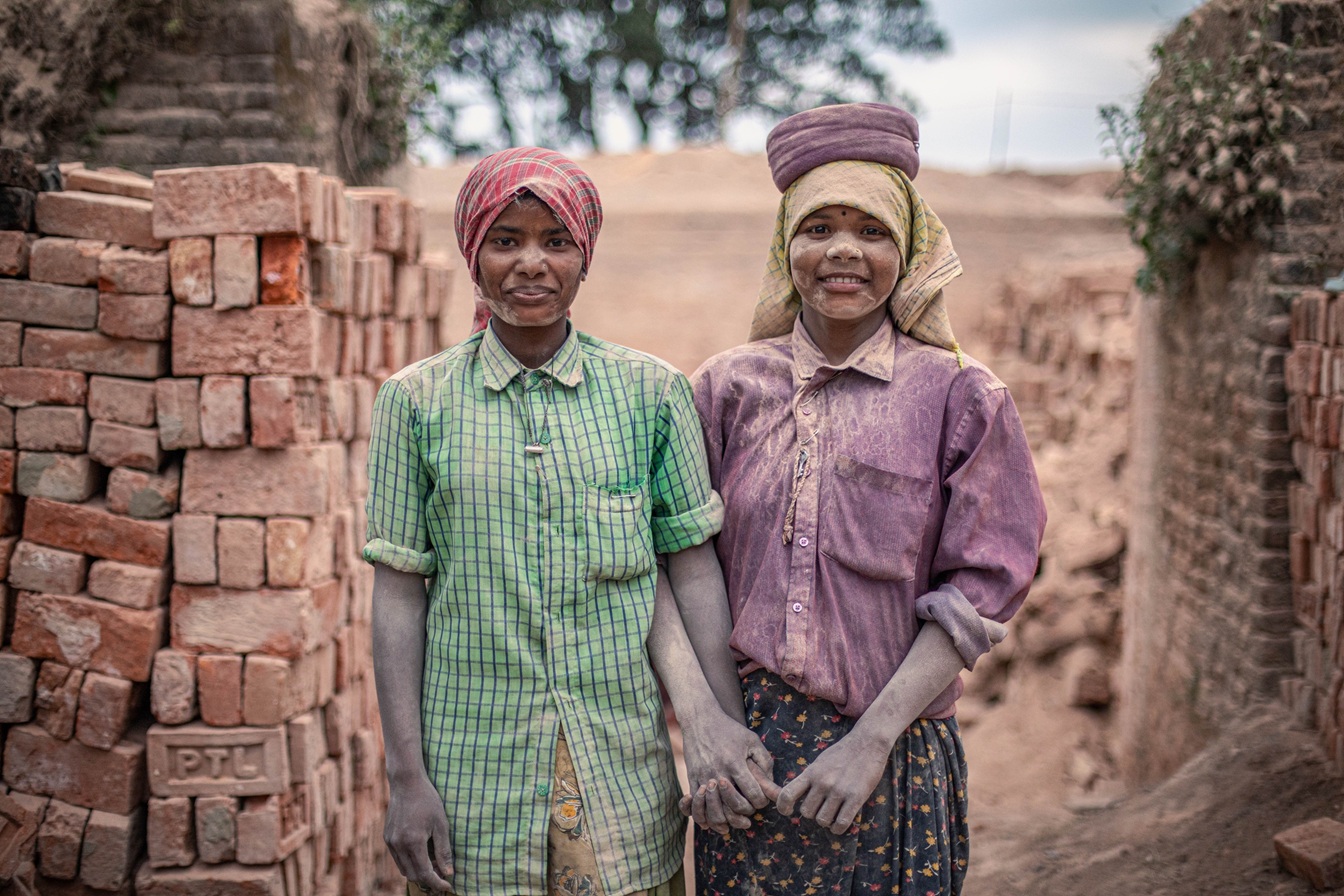
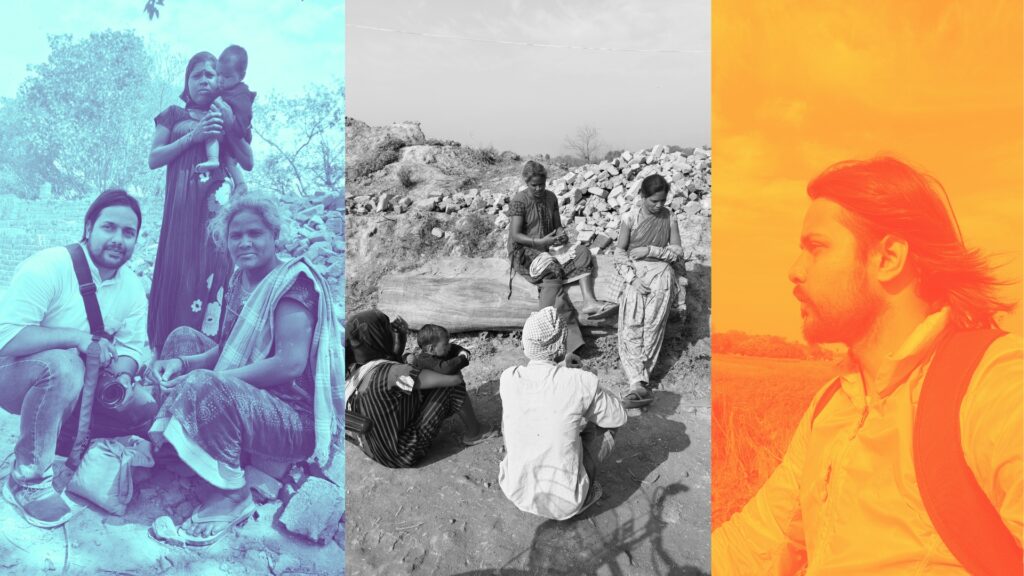
For my project, I turned my lens toward the silent struggles of interstate migrant workers who work in the brick kiln. Since childhood, I have been a migrant myself, witnessing displacement, uncertainty, and resilience up close. Those lived experiences have stayed with me, quietly shaping how I see the world. This residency felt like the right moment to return to those memories not nostalgically, but truthfully.
I went to a nearby brick kiln site where a lot of people were working. I met a woman who was managing all the people. I took permission to take pictures of the people and to understand them up close. I met a few people who are at the heart of this story are Anita Devi, Ramesh, Sohan, and Chiru, two families from the tribal, hilly district of Gumla, Jharkhand. They now live and work in the harsh environment of a brick kiln. The contrast is stark. The lush mountains of Gumla, which once held their homes, now exist only in memory, homes that remain locked, waiting.
For Anita Devi and her husband, life at the kiln is not just about labour; it is about negotiating displacement every single day. Their current existence is layered with temporary shelters that feel permanent, work that sustains yet exhausts, and dreams that survive despite uncertainty. Through my photographs, I sought to capture not just their hardship, but their quiet dignity and resilience the way life continues even when it is uprooted.
Why This Photo Story Matter
Migration is often discussed in numbers and policies. Through this work, I wanted to return it to faces, places, and lived moments. I found Narendrapur fascinating as I am from Siwan and have seen such migrants since childhood who lives outside the village, don’t have direct connection to the villagers. Such stories are countless across India.
Photo Shivir reminded me why I picked up a camera in the first place: to listen, to witness, and to tell stories that might otherwise remain unseen. This journey from the brick kilns of Siwan to the published book and then exhibition has been one of reflection, responsibility, and renewed purpose.
From Residency to Book: Echoes of Siwan
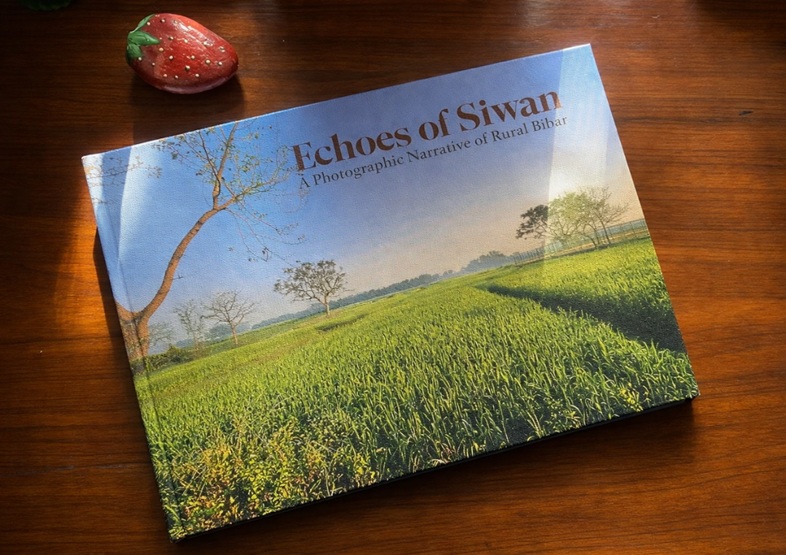
These stories, along with seven other powerful visual narratives, now live in the book Echoes of Siwan.
Echoes of Siwan chronicles visual narratives by eight young photo practitioners, emanating from their stay in rural Siwan of Bihar.
Created during the Photo Shivir residency mentored by Parthiv Shah, the book brings together stories that range from poetic to prosaic offering a layered portrait of rural Bihar. Each photographer responds personally to the region, presenting a nuanced view of village life marked by resilience, adaptability, and transformation in the face of migration and urbanisation.
The Exhibition: Stories on the Wall
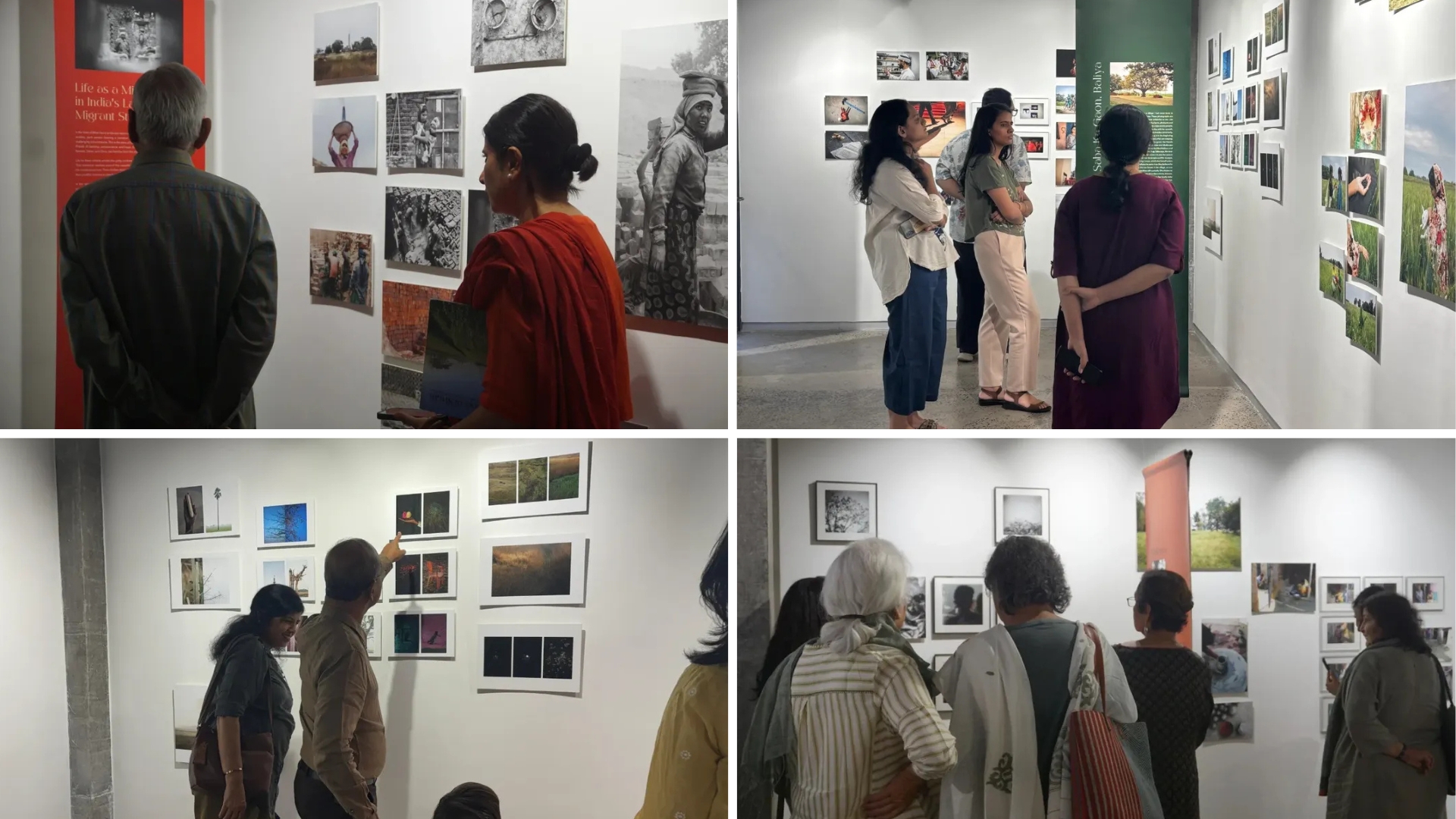
The journey reached another milestone with the exhibition “Echoes of Siwan: A Photographic Narrative of Rural Bihar” in the Arthshila, Ahmedabad on 5 April 2025. The exhibition was an immersive walkthrough of rural India, bringing together landscapes, faces, and moments shaped by social change. It reflected the collective effort of the residency to document evolving rural realities, especially the impact of migration and development on traditional ways of life.