
India’s healthcare system operates under immense pressure, serving a vast population with limited infrastructure, uneven doctor availability, and significant rural–urban gaps. For NGOs, public health institutions, and policy bodies working on healthcare delivery, Artificial Intelligence (AI) offers an opportunity to strengthen systems. When used responsibly, AI can help scale impact, improve decision-making, and support frontline healthcare workers.
Across India, AI is already making a difference. For example, AI-powered TB screening tools are being used to read chest X-rays in government hospitals and mobile vans, helping detect tuberculosis early in high-burden districts. Similarly, AI-based eye screening tools are assisting NGOs in rural camps to identify diabetic retinopathy, reducing preventable blindness among underserved populations. These applications show how AI can bridge gaps where specialists are scarce.
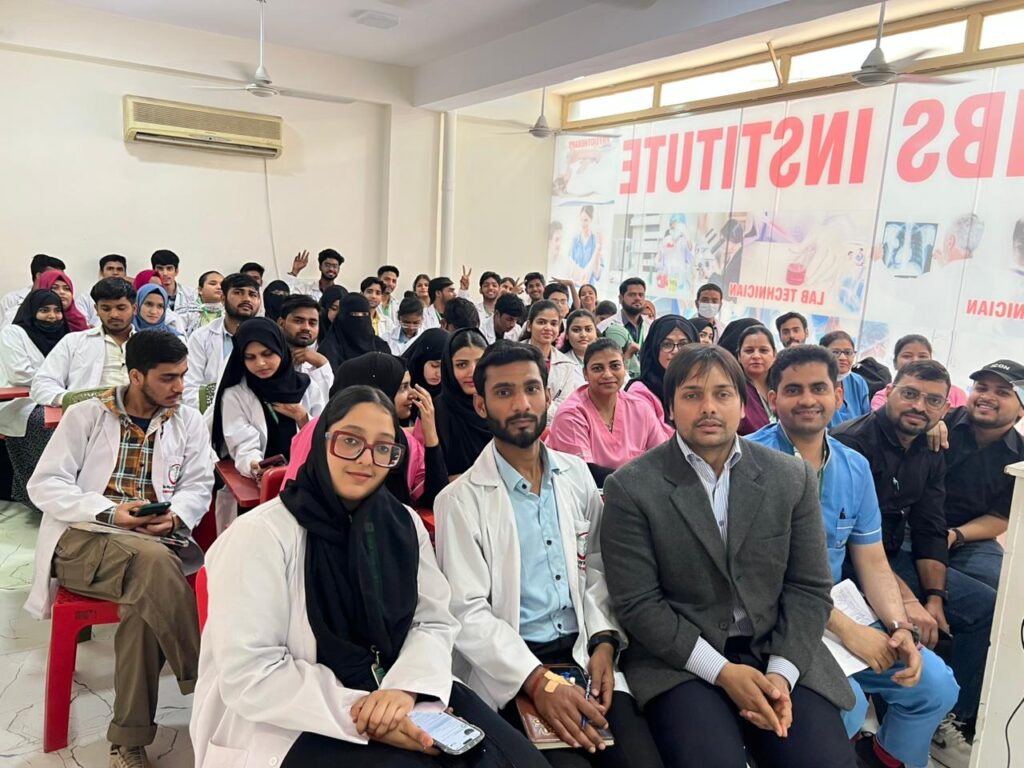
One of AI’s strongest contributions is in early detection and diagnosis. In a country where delayed diagnosis often leads to higher mortality, AI systems can analyze scans, lab data, and health records faster than humans, flagging high-risk cases for doctors to review. This is particularly valuable in public hospitals and primary health centres where doctors are overburdened and time is limited. AI also plays a growing role in supporting frontline health workers, such as ASHAs and nurses. Decision-support tools can guide them on maternal health risks, vaccination follow-ups, or chronic disease monitoring. For NGOs working at the grassroots level, this means better-quality care without increasing workforce strain.
From a systems perspective, AI helps improve hospital and program efficiency. Predictive tools can help hospitals manage patient flow, reduce waiting times, and optimize staff deployment. During COVID-19, data-driven models were used to track infection trends and resource needs – highlighting how AI can strengthen public health preparedness and response. Another important development is Generative AI, which can assist in drafting reports, summarising patient information, creating training material, and translating health communication into local languages. For NGOs and training institutions, this reduces administrative burden and allows teams to focus more on service delivery and capacity building.
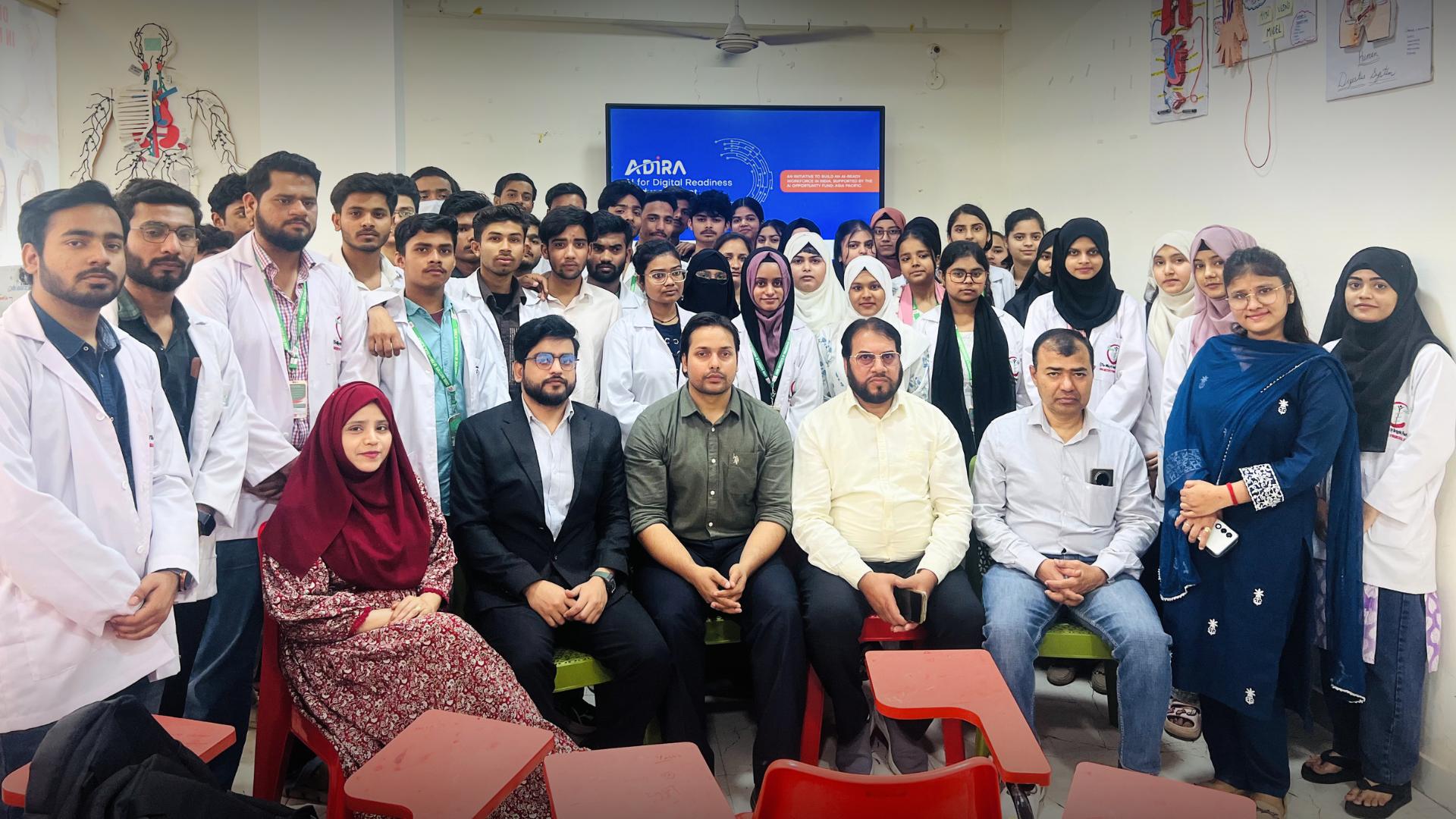
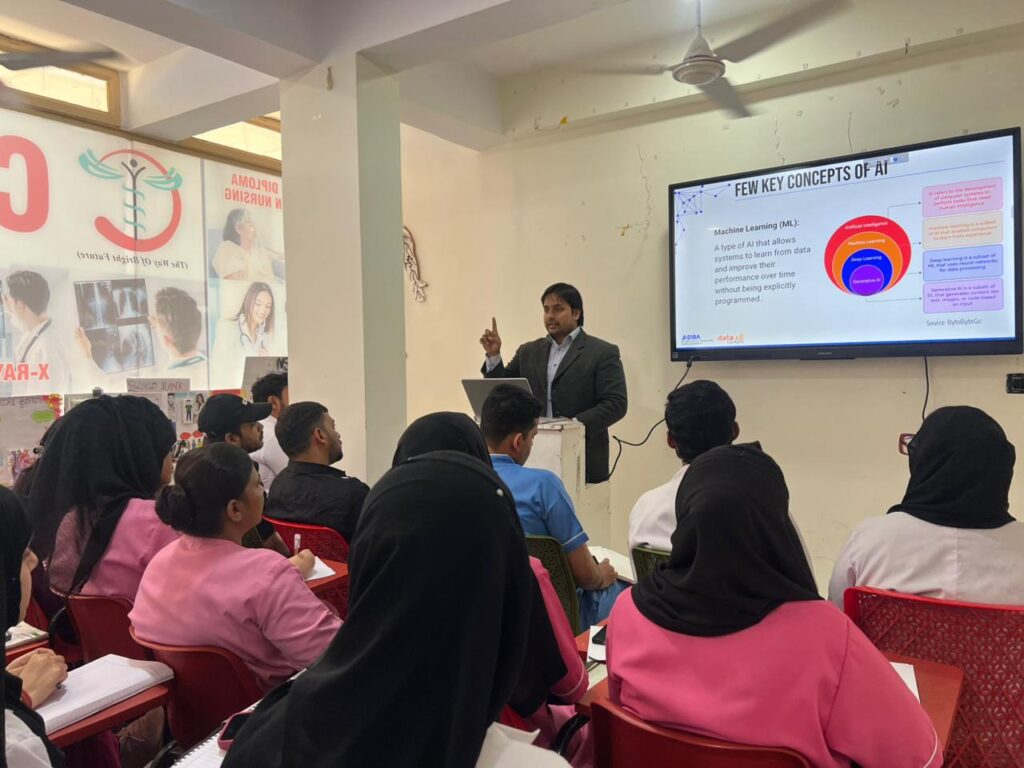
However, it is crucial to highlight that AI is not neutral by default. If trained on incomplete or biased data, AI systems can exclude vulnerable communities or produce misleading results. This is why human oversight, data diversity, and ethical safeguards are essential especially when working with marginalised populations. For policy-makers and development organisations, the focus must be on Responsible AI. This means ensuring data privacy, maintaining accountability, promoting transparency and explainability, and designing systems that are inclusive and bias-aware. AI outputs should always be verified using authoritative medical sources and professional judgment. Equally important is capacity building. As AI becomes part of healthcare workflows, doctors, nurses, NGO staff, and administrators must be trained to use these tools effectively. Skills such as understanding AI outputs, asking the right questions (prompting), and recognising limitations are becoming essential for the future health workforce.
In conclusion, AI presents a powerful opportunity to upgrade India’s healthcare system—but only if implemented thoughtfully. For NGOs, policy bodies, and training institutions, AI should be seen as a supporting tool that amplifies human effort, improves reach, and strengthens decision-making. When combined with ethical practice and skill development, AI can help India move towards a more equitable, efficient, and resilient healthcare system.